- Teacher: ronalyn marbella
Available courses
- Teacher: Jofeth Chavez
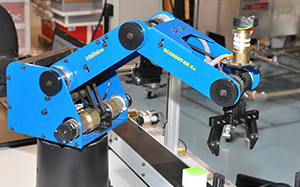
For students who have completed the Fundamentals of Robotics module, the Advanced Robotic Programming module offers the opportunity to further explore robotic programming. Using RoboCell, the same 3D-solid modeling robotic simulation software that the student has previously used, Advanced Robotic Programming gives the students a greater understanding of the robotics concepts and programming commands they have already learned, as well as the ability to extend that knowledge to gain a greater understanding of robot capabilities, of working with and manipulating a robot, and accomplishing various tasks while focusing both on the goal as well as programming skills and program efficiency.
This module gives students the advanced skills needed to operate, maintain, program and test robotic systems. The activities challenge students to design solutions for industrial robotic applications, with an emphasis on real industrial concerns, such as recording accurate positions, optimizing programming and increasing productivity.
Catalog Number 77-3001-0000
[Ver: 2.0.0.0]
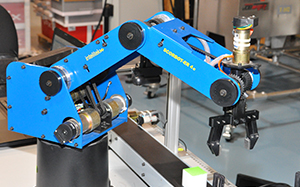
Fundamentals of Robotics provides students with a unique opportunity to gain experience and skill in robotic operation and programming through an industrial robotic training simulation software. This module features RoboCell, a 3D-solid modeling robotic simulation software, which allows students to expand their programming skills through a variety of simulated robotic workcells.
This module gives students the fundamental skills needed to operate, maintain, program and test robotic systems. The activities challenge students to design solutions for industrial robotic applications, with emphasis on real industrial concerns, such as recording accurate positions, optimizing programming and increasing productivity.
Catalog number: 77-3046-0000
[Ver: 2.0.0.0]
- Teacher: Jofeth Chavez
- Teacher: ronalyn marbella
- Teacher: Marie Grace Rosales
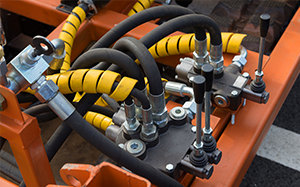
The Hydraulics Technology modules introduce students to the principles of hydraulics and the use of fluid power in automated manufacturing environments. In these modules, students use software to create, modify, operate and observe simulated hydraulic and electro-hydraulic devices and circuits. Students also use the hydraulics training panel with a wide assortment of industrial grade hydraulic components.
Students connect components on the panel in order to control a variety of typical industrial hydraulic applications. Students connect different components, change physical parameters and observe system responses. The combination of software and industrial equipment allows students to test and troubleshoot simulated circuits before hardware connections are made.
In the hydraulics module students design solutions for industrial hydraulic applications with emphasis on real industrial concerns, such as power losses across components, system overheating and optimized hydraulic power. Hydraulics Technology 1 emphasizes the use of simulation software and the design of basic hydraulic circuits. This module also includes applied science experiments to demonstrate the physical principles of fluid power.
Catalog number: 77-8008-0000
[Ver: 1.2.1.2]
- Teacher: Raymond Banta
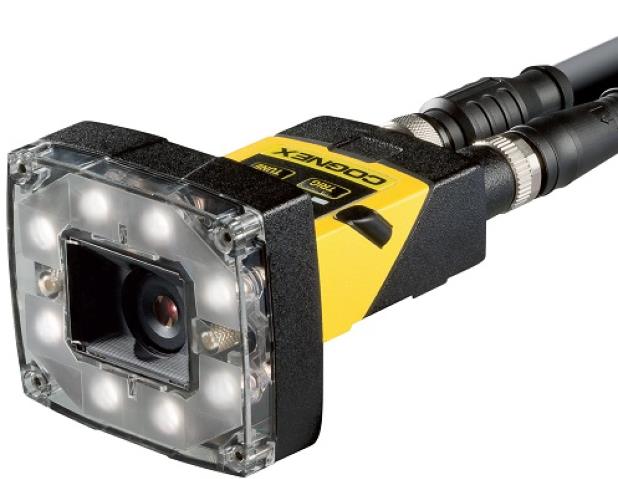
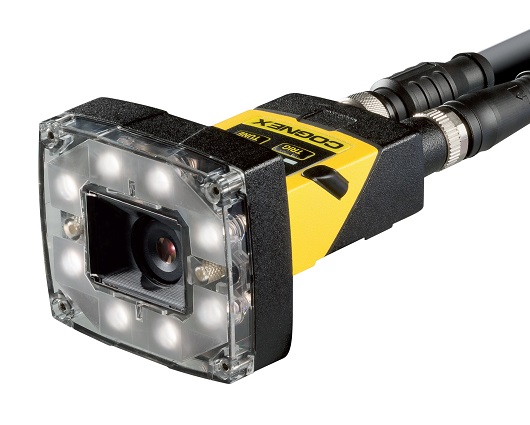
The Machine Vision and Quality Control lab course uses a Cognex Vision Sensor and Cognex In-Sight Explorer software with the embedded image processing engine in the camera. Students learn to operate and program the technology and connect cameras and computers to provide the image interpretation and visual feedback needed for vision systems. The curriculum provides instruction on the use and setup of the Cognex digital color camera and integration of the vision system into quality control and manufacturing processes.
Catalog Number: 77-8087-0000
[Ver: 1.0.2.0]
The virtual Machine Vision and Quality Control course uses Cognex In-Sight Explorer software to teach machine vision concepts. Students learn to operate and program the technology and connect emulated cameras to provide the image interpretation and visual feedback needed for vision systems.
Catalog number: 77-3030-0000
Version: 1.0.0.0
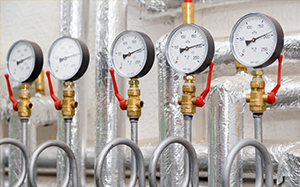
The Pneumatics Technology 1 module introduces the principles of pneumatics and pneumatically controlled systems commonly used in automated manufacturing environments.
This module features pneumatic simulation software that allows you to create, modify, operate and observe simulated industrial grade pneumatic and electro-pneumatic devices and circuits. You connect different components, change physical parameters and observe system responses.
The module emphasizes basic skills in operating simulation software and industrial components. This module also includes applied science experiments to demonstrate the physical principles of air power.
Catalog number: 77-8009-0000
[Ver: 1.1.2.4]
The Pneumatics Technology 2 module introduces students to advanced principles and components of pneumatics and pneumatically controlled systems commonly used in automated manufacturing environments. Students are also introduced to timing diagrams and the logic functions AND and OR, and implement them in pneumatic circuits.
Students create, modify, operate and observe simulated pneumatic devices and circuits. Students test and troubleshoot pneumatic circuits by connecting components, changing physical parameters and observing system responses. The module focuses on pneumatics circuits and industrial applications.
Catalog number: 77-8010-0000
[v 1.1.0.2]
